


 2 Min
2 Min In Clinical

Follow this topic

Bookmark

Record learning outcomes
What is it?
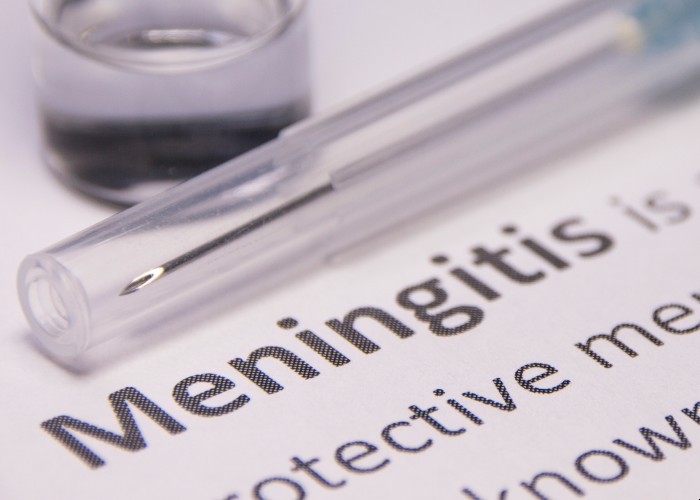
Meningitis is inflammation of the protective membrane layers that cover the brain and spinal cord (the meninges) of the brain and spinal cord.
What causes it?
Meningitis can have infective (bacterial, viral or fungal) and non-infective causes (e.g. cancer). Bacterial meningitis is a life-threatening infection.
Meningococcal disease is defined by infection with Neisseria meningitidis (which includes meningococcal meningitis and meningococcal septicaemia).
In meningococcal meningitis the bacteria infect the lining of the brain and spinal cord, while with meningococcal septicaemia the bacteria enter the blood and damage the walls and blood vessels. The signs and symptoms are different.
Meningococci colonise the nasopharynx of humans, especially adolescents and young adults, and are frequently harmless. It is not fully understood why disease develops in some people, but not others.
There are currently 12 identified capsular groups of meningococci of which groups B, C, W and Y are the most common causes of invasive disease in the UK. Meningococcal vaccines have significantly reduced the incidence of meningococcal disease in the past two decades.
What are the risk factors?
Young age is the most significant risk factor. The incidence of meningococcal disease is highest in infants aged under one year and declines in subsequent years. There is a smaller secondary peak in incidence in people aged 15 to 19 years.
Other risk factors include:
- Winter season — peak levels occur in winter, declining to low levels by late summer
- Smoking
- Preceding viral infection
- Living in ‘closed’ or ‘semi-closed’ communities (e.g. university halls of residence, or military barracks).
How is it transmitted?
Transmission is by aerosol, droplets, or direct contact with respiratory secretions of someone carrying the organism. Transmission usually requires either frequent or prolonged close contact.
The incubation period is from 2 to 7 days and the onset of disease varies from mild prodromal symptoms to fulminant illness (with death occurring within 24 hours of the first symptoms).
What are the clincial features?
Symptoms can appear in any order and some may not happen at all.
Common signs and symptoms of meningitis include:
- Fever
- A very bad headache (this alone is not a reason to get medical help)
- Vomiting
- Stiff neck
- Dislike of bright lights
- Rash
- Confusion, delirium
- Severe sleepiness, losing consciousness
- Seizures.
Signs and symptoms of septicaemia include:
- Fever and shivering
- Severe pains and aches in limbs and joints
- Vomiting
- Very cold hands and feet
- Pale or blotchy skin
- Rapid breathing
- Diarrhoea and stomach cramps
- Red or purple ‘bruised’ or blotchy rash on skin that does not fade under pressure. On dark skin, check inside the eyelids or roof of the mouth where the spots may be more visible.
- Difficulty walking or standing
- Severe sleepiness, losing consciousness.
Someone with meningococcal disease will usually become seriously ill in a matter of hours.
How is it managed?
People with suspected meningitis should be admitted to hospital as an emergency where they will be treated with IV antibiotics. Antibiotics may be administered prior to admission if there is likely to be a delay in transfer to hospital.
How are close contacts managed?
Close contacts should be advised that they are at low risk. The risk is highest in the first 7 days after a case is diagnosed and then falls rapidly. The absolute risk of developing a second case of invasive meningococcal disease within 30 days of an index case is 1 in 300 if chemoprophylaxis is not administered.
Prophylaxis should be considered for close contacts, regardless of meningococcal vaccination status. Close contact is defined as prolonged close contact with the case in a household type setting during the 7 days before onset of illness.
Examples of such contacts would be those living and/or sleeping in the same household, pupils in the same dormitory, boy or girlfriends, or university students sharing a kitchen in a hall of residence.
Antibiotic prophylaxis should be given as soon as possible (ideally within 24 hours) after the diagnosis of the index case.
The definition of close contact does not include:
- Staff and children attending same nursery or crèche
- Students or pupils in same school, class or tutor group
- Work or school colleagues
- Friends
- Residents of nursing or residential homes
- Kissing on the cheek or mouth
- Food or drink sharing or similar low level of salivary contact including shared vapes
- Attending the same social function
- Travelling in next seat on same plane, train, bus, or car (in the absence of intense exposure to nasopharyngeal secretions).
Local health protection teams are responsible for coordinating the response to outbreaks, including prescriptions for chemoprophylaxis.
What is the prognosis?
The infection is fatal in 5-10% of cases, and survivors may develop severe long-term complications, including hearing loss, severe visual impairment, communication problems, limb amputation(s), seizures, and brain damage. Complications occur in about 7% of people with meningococcal meningitis.
How is it prevented?
Vaccination against meningococcal disease is part of the routine childhood immunisation programme in the UK as outlined in the table below.
| Age | Primary/Booster | Dose |
|---|---|---|
| 8 weeks | Primary | One dose – 4CMenB vaccine |
| 12 weeks | Primary | One dose – 4CMenB vaccine |
| One year | Booster | One dose – 4CMenB vaccine |
| Around 14 years | Primary (MenACWY) | One dose – MenACWY conjugate vaccine |
In addition, MenACWY is offered to those who missed the school’s programme and those attending University for the first time, including students arriving in the UK from countries that may not have offered this vaccination. MenACWY conjugate vaccines confer no protection against MenB.
Sources |
|---|

Share:


In Clinical