Increased access to Wegovy is welcome but Labour can go further, say pharmacy bodies
Neil Trainis,
01 Apr 2026 2 Min
2 Min

Neil Trainis,
01 Apr 20262 Min
Neil Trainis,
01 Apr 20262 Min


Pharmacy bodies have welcomed the National Institute for Health and Care Excellence (NICE)’s recommendation that Wegovy is made available on the NHS to over a million people with cardiovascular disease who are at risk of heart attack and stroke but urged the Government to go further.
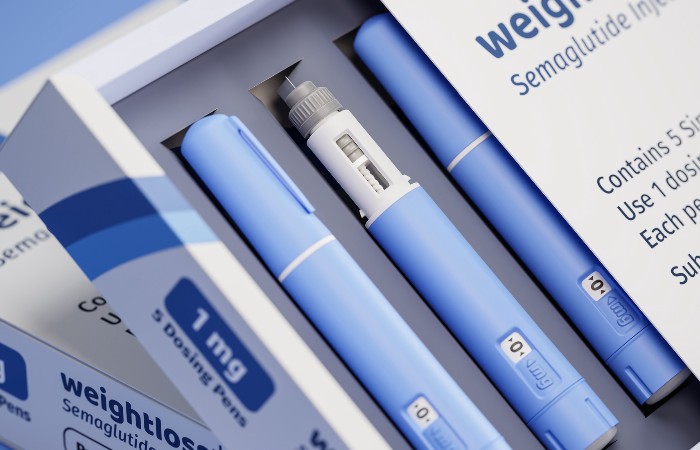
In draft NICE guidance published today, the treatment – GLP-1 agent semaglutide – is recommended as an option for people who have had a heart attack, stroke or a serious circulation problem in the legs and are overweight or obese with a body mass index of 27 or higher.
NHSE said the weekly injectable drug will be prescribed “alongside a healthy diet and increased physical activity” and can be used with “other commonly used drugs such as statins or anti-hypertensives”.
Company Chemists’ Association chief executive Malcolm Harrison said making semaglutide available to overweight people who have cardiovascular disease was “a no-brainer” but urged the Government to deliver a nationally commissioned weight management service through community pharmacy.
NHS England (NHSE) said 1.2 million people with cardiovascular disease would be eligible to receive semaglutide on the NHS “within months”. Mr Harrison said a national pharmacy service would “reach millions more people”.
“Obesity-linked cardiovascular disease is a national problem and needs national support, delivered at scale,” he said. “Providing care for the 1.2 million patients identified will need greater access in primary care. This is where community pharmacy can deliver.
“Pharmacies have a proven record for providing private weight loss treatments safely and effectively, both in-person and online.”
Mobilise pharmacy to deliver turbo-charged weight programme
NPA chief executive Henry Gregg urged Labour to “mobilise the pharmacy network to deliver this turbo-charged weight management programme” if it wants to reach millions of patients “in the greatest health need in communities up and down the country”.
“Although more details are needed, this is a very significant announcement and could be game-changing in reducing the risk of heart attacks and strokes, one of the leading causes of death in the UK,” he said.
“Community pharmacists have provided weight loss treatment for a number of years now and have extensive expertise in this area.”
Semaglutide is already available on the NHS for people with obesity through specialist weight management services in line with NICE guidance. Ozempic, also known as semaglutide, is prescribed on the NHS as a treatment for people with type 2 diabetes.
NHSE said clinical trial data showed semaglutide reduced the risk of heart attacks and strokes by 20 per cent in people with heart and circulatory disease who are overweight compared to placebo.
Pharmacists are central to delivering Government’s prevention agenda
The Royal Pharmaceutical Society president Claire Anderson said patients must be “appropriately identified, supported and monitored over time”.
“Pharmacists have a vital role in supporting safe use, improving adherence and managing long-term treatment,” she said.
“Expanding access to treatment must be backed by clear clinical pathways that integrate pharmacy across all settings, alongside workforce capacity and sustainable funding. With continued pressure on primary care, pharmacists will be central to delivering the Government’s ambitions to boost prevention and deliver more care closer to home.”
NHSE said cardiovascular disease can be prevented in seven in 10 cases. It insisted offering semaglutide on the NHS as part of Labour’s 10-year health plan can help people with long-term conditions “avoid serious complications and reduce the risk of hospital visits or preventable death”.
“Faster use of blood-thinning medicines on the NHS have already helped more than 500,000 people, preventing thousands of strokes and deaths,” NHSE said.
“Blood pressure and cholesterol-lowering medicines are also helping millions manage their heart health.”