Just over a third of two and three-year-olds in England had NHS flu vaccine
Neil Trainis,
23 Nov 2026 2 Min

Neil Trainis,
23 Nov 20262 Min
Neil Trainis,
23 Nov 20262 Min


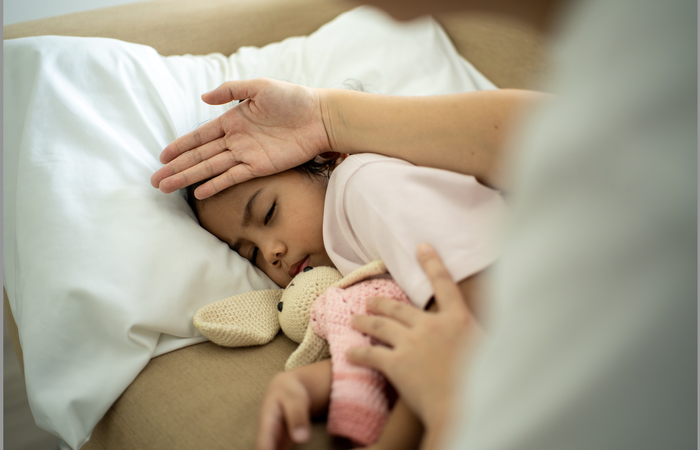
Just over a third of two and three-year-olds in England have had an NHS flu vaccine as emergency hospital departments come under increasing pressure to deal with unwell children, according to new figures from the UK Health Security Agency (UKHSA).
The UKHSA ‘s latest weekly winter respiratory viruses surveillance report revealed cases of flu “are creeping up” while the number of children visiting their GP due to “flu-like illness” rose in the week up to November 15.
“Influenza positivity among all age groups increased, with a positivity rate of 11.4 per cent up to Sunday, November 15 compared with 8.3 per cent the previous Sunday,” the report said.
The latest data showed daily emergency department attendances for acute respiratory infection and flu-like illness were at their highest levels among one to four-year-olds.
Referencing data from the Royal College of General Practitioners, the UKHSA said the “weekly influenza-like illness consultation rate” rose to 9.0 per 100,000 in participating GP practices compared with 7.3 per 100,000 the previous week.
“By age group, the highest rates were seen in those aged under one year (13.6 per 100,000) and those aged between one and four years (13.1 per 100,000),” the UKHSA said.
It reminded parents that children aged two and three can get the nasal spray vaccine from community pharmacies as well as GP practices while any children who miss the vaccine in schools will be able to get the nasal spray at pharmacies from December 1.
Falling childhood vaccine rates could have tragic consequences
The UKHSA report coincided with a House of Lords report last week which warned Labour “to act to reverse the decline in childhood vaccination rates in England”.
The report warned half of girls in the most deprived local authorities are being vaccinated against HPV while measles, mumps and rubella vaccination rates have fallen more than 30 times faster in the most deprived areas than the least deprived.
There were over 4,000 cases of measles cases in October and three people died.
The National Pharmacy Association chair Olivier Picard warned “falling rates of childhood vaccination represents a significant public health challenge and could have tragic consequences if not addressed”.
“The committee are right to sound the alarm about falling uptake, in sharp contrast to steady growth for a number of years,” he said.
“We agree with the committee that it makes sense to use pharmacies, who are highly accessible and on people’s doorsteps, to help tackle this, including providing catch up vaccines to those who have missed out.
“Pharmacies already provide vaccinations for millions of adults and as noted by the Covid Inquiry are particularly effective in making vaccines more accessible in communities with lower levels of uptake.
"We must do all we can to stop the clock being turned back on efforts to eradicate serious childhood diseases.”