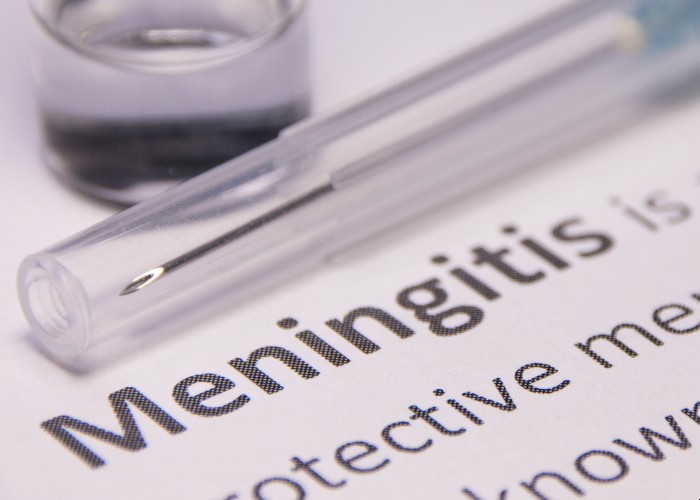
Pharmacies in England deliver nearly 90,000 meningitis B vaccines in two weeks
Neil Trainis,
03 Aug 2026 2 Min
2 Min

Neil Trainis,
03 Aug 20262 Min
Neil Trainis,
03 Aug 20262 Min


Community pharmacies in England have administered nearly 90,000 first doses of the meningitis B vaccine to young people in the two weeks since a catch-up vaccination programme was launched.
NHS England said 89,261 first doses have been provided by pharmacies as of Friday, July 31, and the NHS National Booking Service has received over 135,000 bookings for the coming weeks.
The service, which started on July 20, was commissioned to protect all year 13 pupils and those born on or after July 21, 2001, who will either start university as undergraduates or a further education college this autumn and will live in further education accommodation. Two doses of the vaccine will be administered at least 28 days apart.
“Students in their first year of university have a risk that is about seven times higher than that of young people of a similar age who do not go to university,” NHSE said.
It insisted “hundreds of thousands” of vaccination appointments are available to patients and there is “enough stock to vaccinate everyone eligible”.
“In total, around a million young people are expected to be eligible for the vaccine,” NHSE added.
Company Chemists’ Association head of policy Dr Nick Thayer said pharmacies had “gotten off to a flying start” administering vaccines which was “testament to the sector’s ability to step up and deliver when called upon”.
“The access community pharmacies offer is critical to ensuring high uptake and the early success of this campaign has shown the contribution they can make to vaccination programmes,” he said.
Community Pharmacy England chief executive Janet Morrison said pharmacies “across the country have leapt into action” to deliver the service.
“Pharmacies have a proven track record of helping to deliver key public health programmes, from flu and Covid vaccinations to the successful rollout of Pharmacy First,” she said.
“People value the convenience and accessibility of the pharmacy network for all manner of healthcare services, and satisfaction with community pharmacy continues to grow. We’re pleased that pharmacies can now offer eligible young people this life-saving protection.”