


Lib Dem MP alleges some chains redirect patients to independents for loss-making drugs
Neil Trainis,
03 Jun 2026 3 Min
3 Min

Neil Trainis,
03 Jun 20263 Min
Neil Trainis,
03 Jun 20263 Min


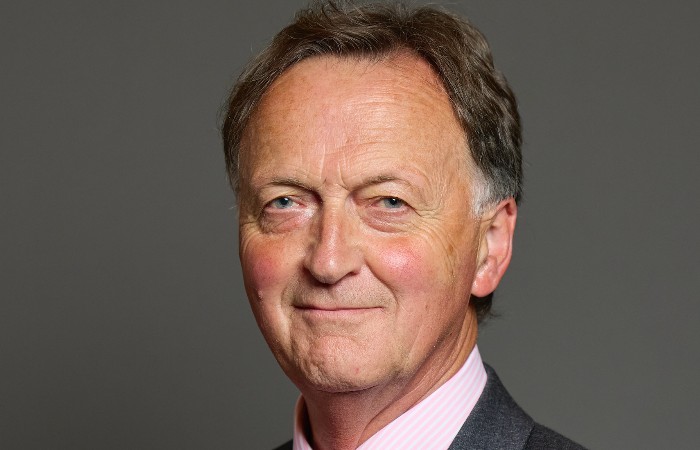
The Liberal Democrat MP Andrew George has accused some large pharmacy chains in England of redirecting patients to independent pharmacies for medicines that cost more to stock than the reimbursement price to avoid incurring financial losses on those drugs.
George also contributed to a discussion on community pharmacy funding and medicines shortages in the House of Commons yesterday by alleging some chains were falsely telling patients “those medicines are unavailable” as he described “troubling behaviour” in the sector without naming any pharmacy chains.
Independent Community Pharmacist has contacted George to ask him to provide the names of chains he believes are involved and any evidence he has to back up his claims.
“We are witnessing troubling behaviour in the sector,” he said. “Some large corporate pharmacy chains are redirecting patients to independent pharmacies for medicines that are above tariff, incorrectly stating that those medicines are unavailable when in reality they are unwilling to supply them because of the financial loss involved.
“That shifts both the clinical and the financial burden on to independent contractors. Regrettably, that has begun to force difficult decisions across the sector as more medicines fall off tariff.”
CCA: We are confident George was not referring to our members
The Company Chemists’ Association told ICP it was “very concerned” by George’s comments and insisted it was “confident” he was not referring to any of its members.
“If Mr George has any evidence to substantiate his claims, we encourage him to submit it to the relevant NHSE regional team who are responsible for monitoring the delivery of NHS pharmaceutical services, so that appropriate action can be taken to eliminate such bad behaviours,” a CCA spokesperson said.
“We are confident that Mr George is not referring to any of the CCA’s member companies, who all make herculean efforts to ensure the best availability of medicines for their patients, regardless of the relative tariff price.”
The National Pharmacy Association (NPA), which represents 6,000 independent pharmacies, did not comment directly on George’s allegations.
However, NPA chief executive Henry Gregg said: “We have been clear for many years that it is a scandal that our broken contract and chronic long-run underfunding frequently forces pharmacies to dispense medicines at a loss.
“This can often lead pharmacies to run their entire pharmacy operation at a loss. The government have made commitments to reforming our contract and must now look at this alongside closing the £2.5 billion funding gap to ensure pharmacies are paid fairly for the medicines they provide to their patients.”
George, the MP for St Ives in Cornwall, which has 15 pharmacies, was also highly critical of price concessions, issued by the Department of Health and Social Care when pharmacies cannot source a drug at or below the reimbursement price in drug tariff, insisting “they are often delayed, inconsistent and insufficient to reflect real-time market prices”.
“That creates a situation in which pharmacies must either dispense at a financial loss or deny supply,” he said. "They use a system called e-CASS, which tracks real-time drug pricing. On any given day, there are between 16 and 40 lines that cannot be ordered through standard systems because the purchase price exceeds the reimbursement tariff.
“That number has increased significantly over recent years, indicating a worsening trend.”
What are your views? Get in touch and email neil.trainis@1530.com


