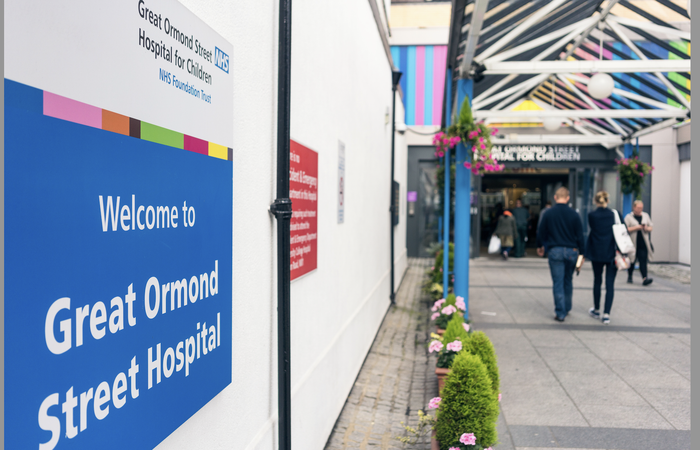
NPA supports GOSH study showing switch from liquid medicines to tablets benefits kids
Neil Trainis,
10 Apr 2026 1 Min
1 Min

Neil Trainis,
10 Apr 20261 Min
Neil Trainis,
10 Apr 20261 Min


The National Pharmacy Association (NPA) has thrown its support behind Great Ormond Street Hospital’s (GOSH) research which has shown switching children from liquid medicines to tablets can “transform their lives”.
The project, the results of which have been published today, revealed switching children as young as seven years old to tablets or pills could save up to £40,000 a year per patient for some drugs and make it easier for children to take their medicine.
Researchers at GOSH identified 19 patients with the rare genetic condition congenital hyperinsulinism, which affects about one in 30,000 to 40,000 children. It is characterised by excessive insulin secretion from pancreatic beta-cells, causing severe, persistent low blood sugar in newborns and infants.
GOSH said all 19 patients were switched from “liquid diazoxide to a pill form of the drug which delivers the same therapeutic benefit” and were “monitored to ensure their blood glucose levels remained stable”.
The study, which started in early 2025, garnered feedback from the patients about how the switch in medicine impacted them. They reported the tablet form of diazoxide brought “benefits” including “better taste”.
Insisting it “cost significantly less than its liquid counterpart”, the researchers said: “The tablets cost £1.15 per 50mg, while the liquid costs over 10 times more at £15.50 per 50mg.”
“Many children and young people are prescribed liquid formulations of medicines despite children aged four and over being able to safely learn how to swallow tablets,” GOSH said.
Difficult for her to take liquid diazoxide
It documented the case of 11-year-old Jess, who took part in the research. Researchers heard how difficult it was for her to take liquid diazoxide, which was stored in a glass bottle and needed to be drawn up in a syringe for each dose.
“This meant that Jess and her family had to fit their lives around administering the dose which Jess needed multiple times a day,” GOSH said.
“It would affect school time, trips and holidays that the family of five plus their dog, Dave, would take.”
Jess said the switch from liquid medicines to tablets “has made a big difference” to her because it meant she could take “medicine that doesn't taste horrible”.
“There were times where I didn’t want to take it because of the taste,” she said. “It makes things very easy for me now, I’m able to do it myself and it doesn’t take up as much time at school or when I’m doing things I like, like climbing, it doesn’t have as much impact and that makes me happy.”
NPA: Study adds helpful evidence about benefits of solid medication
The researchers are considering switching children younger than seven to diazoxide tablets.
NPA patient safety lead Jasmine Shah said the study added “helpful evidence about the benefits of children taking solid medication, when it is suitable for them, instead of liquid alternatives”.
“When it is appropriate, children should be supported to take solid medication rather than liquid alternatives,” she said. “Solid medication can help ensure that children receive the full dosage prescribed. Liquid medication or crushed tablets can sometimes lead to inconsistent dosing and create practical difficulties for parents and carers.
“The unpleasant taste of crushed tablets or some liquid medicines can become a barrier to children completing their course of treatment.”
Shah said pharmacies would find it easier to store solid medication than liquid equivalents and insisted it would save the NHS money in the long term.
“We encourage parents who are finding it difficult to support their child to take certain medicines to speak with their pharmacist for advice,” she said.